20 Amazing Facts About Floods That Everyone Should Know
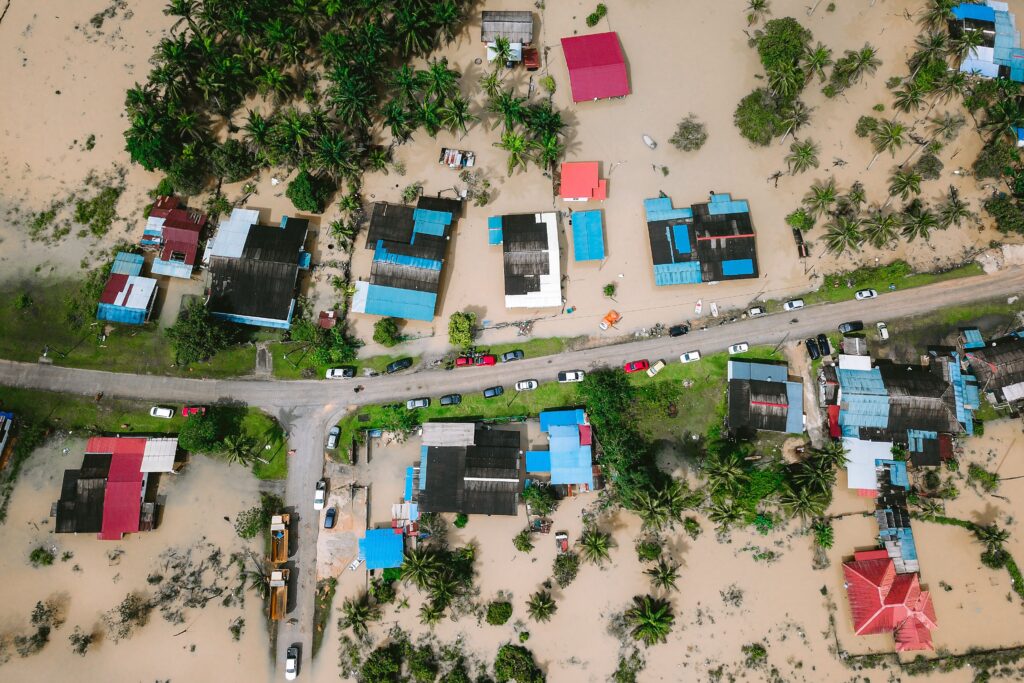
Floods are powerful natural events that can change landscapes, disrupt lives, and reshape communities in the blink of an eye. They often bring to mind scenes from disaster movies—raging waters engulfing streets and homes. But floods are not just dramatic spectacles; they are complex phenomena shaped by countless factors.
Understanding floods goes beyond acknowledging their destructive force. It involves delving into what causes them, how they impact us, and even recognizing some astounding facts about these water surges that might surprise you. From ancient civilizations affected by massive inundations to modern cities grappling with climate change-induced flooding, the story of floods is one of resilience and adaptation.
Get ready to dive deep as we unveil 20 amazing facts about floods that everyone should know! These insights will not only enlighten you but might also inspire preparedness for when nature unleashes its fury.
What Is a Flood?
A flood is an overflow of water that submerges land that is normally dry. This can happen in a variety of ways, often leading to significant changes in the environment.
Floods can occur due to excessive rainfall, rapid snowmelt, or even dam failures. Urban areas with poor drainage systems are particularly vulnerable.
They vary greatly in size and intensity. Some floods may cover only a few streets, while others can inundate entire cities.
The effects of flooding stretch beyond immediate damage; they also impact ecosystems and local economies significantly.
Understanding what constitutes a flood helps communities recognize risks and prepare for potential events more effectively.
What Causes Floods?
Floods result from a variety of natural and human-induced factors. Heavy rainfall is the most common culprit, overwhelming rivers and drainage systems. When soil becomes saturated, it can no longer absorb water, leading to surface runoff.
Snowmelt plays a significant role in springtime floods. As temperatures rise, melting snow can cause rivers to swell rapidly. This phenomenon often catches communities off guard.
In coastal areas, storm surges during hurricanes elevate sea levels dramatically. These surges can inundate homes and businesses within minutes.
Urban development contributes to flooding as well. Concrete surfaces prevent water absorption into the ground, directing more runoff into waterways.
Dams breaking or overflowing create catastrophic situations too. Such failures release massive amounts of water downstream in an instant, causing widespread destruction.
Climate change alters weather patterns globally—leading to more frequent and intense storms that exacerbate flood risks across various regions.
20 Amazing Facts About Floods
Floods are a natural phenomenon that can be both fascinating and devastating. Did you know that floods can occur in virtually any climate? This makes them a global concern.
One remarkable fact is that nearly 90% of all natural disasters worldwide involve flooding. That’s significant!
Another interesting tidbit is the speed at which floodwaters can rise. In some cases, they can increase by several feet within minutes, leaving little time for preparation.
Surprisingly, urban areas are often more prone to flooding than rural regions due to concrete surfaces preventing water absorption.
Additionally, the largest recorded flood occurred in China in 1931, affecting millions and leading to widespread destruction.
In terms of wildlife, certain species have adapted remarkably well to flooded environments. Some amphibians even thrive during these events!
These amazing facts about floods highlight their complexity and impact on our world.
The Most Common Types of Floods
Floods can take various forms, each with distinct characteristics. Flash floods occur suddenly, often after intense rainfall or dam failure. They can transform dry riverbeds into torrents in mere minutes.
River flooding is another common type. When rivers overflow their banks due to prolonged rain or snowmelt, nearby areas may face inundation. This gradual process can lead to significant property damage over time.
Coastal flooding happens when storm surges coincide with high tides, especially during hurricanes. These events cause seawater to breach barriers and flood inland areas.
Urban flooding is prevalent in cities with poor drainage systems. Heavy rains overwhelm these systems, leading water to accumulate on streets and buildings.
Groundwater flooding arises from the saturation of soil layers below the surface after extensive rainfall or rapid thawing of snowpack. Each type poses unique challenges for communities facing such natural disasters.
How Floods Affect People and Communities
Floods can disrupt lives in ways that are hard to imagine. Homes may be damaged or destroyed, leaving families homeless and vulnerable. The emotional toll is immense, as people grapple with loss and uncertainty.
Communities often rally together during and after such disasters. Neighbors help one another salvage belongings or find shelter. This sense of unity can strengthen bonds but also highlights disparities between those who have resources and those who do not.
Economic impacts are significant as well. Businesses may shut down temporarily or permanently due to damage, leading to job losses. Recovery efforts can stretch local budgets thin, making it hard for areas to bounce back quickly.
Access to clean water becomes a critical issue post-flooding. Contaminated supplies raise health concerns, creating additional challenges for affected populations while emergency services work tirelessly to restore order and safety.
The Environmental Impact of Floods
Floods can drastically alter ecosystems. They disrupt habitats and affect local wildlife populations. Aquatic animals may thrive, but land-dwelling species often struggle to adapt.
Soil erosion becomes a major concern during significant flooding events. Topsoil, essential for agriculture, gets washed away, leading to long-term challenges for farmers and food production.
Water quality also suffers after floods. Contaminants from streets and industrial sites mix with the floodwaters. This pollution poses risks not just to aquatic life but also to human health if it enters drinking water supplies.
Vegetation plays a critical role post-flooding as well. Some plants may flourish in newly saturated areas while others perish entirely due to prolonged submersion. The balance of plant communities shifts, impacting everything from insects to larger mammals that depend on those plants.
Urban areas face unique environmental pressures too, as concrete surfaces prevent natural absorption of water, exacerbating runoff issues and increasing vulnerability during future storms.
Some of the Biggest Floods in History
Throughout history, several floods have left an indelible mark on the world. One of the most devastating was the 1931 China floods, which affected millions and claimed hundreds of thousands of lives. Heavy rainfall combined with snowmelt caused rivers to overflow catastrophically.
Another significant event occurred in 2004 when Hurricane Katrina struck New Orleans. The levee failures led to widespread inundation, displacing thousands and highlighting infrastructure vulnerabilities.
In 1887, the Yellow River flood in China resulted from heavy rains and poor management practices. Estimates suggest that up to a million people lost their lives due to drowning and subsequent famine.
The Great Mississippi Flood of 1927 also stands out for its scale. It submerged vast areas across multiple states, prompting one of the largest relief efforts in American history. Each incident serves as a reminder of nature’s overwhelming power and humanity’s resilience amidst disaster.
How to Stay Safe During a Flood
Staying safe during a flood requires preparation and awareness. First, always have an emergency kit ready. This should include essentials like water, non-perishable food, medications, and important documents.
If you receive a flood warning, heed the advice of local authorities. Sometimes evacuation is necessary; be prepared to leave your home quickly if instructed.
Avoid walking or driving through flooded areas. Even shallow water can be dangerous and hide hazards beneath the surface.
Stay updated through weather apps or radio broadcasts for real-time information about changing conditions in your area.
If you find yourself trapped indoors as waters rise, move to higher ground immediately. Staying calm helps you think clearly and make better decisions during stressful situations.
And never forget: floods can occur rapidly. Being alert is your best defense against becoming overwhelmed by unexpected circumstances.
Frequently Asked Questions About Floods
When it comes to floods, many questions arise. One common query is about the difference between flash floods and riverine floods. Flash floods occur suddenly, often within minutes or hours of heavy rainfall, while riverine floods build up over a longer period.
Another frequent question relates to flood insurance. Many homeowners wonder if their policy covers flood damage. It’s crucial to check your specific coverage since standard policies usually do not include flooding.
People also ask how climate change impacts flooding patterns. Rising sea levels and extreme weather events can increase the frequency and severity of floods in various regions.
Additionally, some are curious about the safety measures during a flood event. Always have an emergency plan in place that includes evacuation routes and essential supplies ready for quick access.
Many want to know how they can help communities affected by floods through donations or volunteering efforts after disaster strikes.
Conclusion
Floods are powerful natural events that can reshape landscapes and communities overnight. Understanding their causes, impacts, and how to stay safe is crucial for everyone. The amazing facts about floods highlight not only the destructive potential of these disasters but also their role in shaping ecosystems and providing fertile land.
From historical events that changed cities forever to everyday risks faced by individuals, floods remind us of nature’s might. By staying informed and prepared, we can mitigate the effects they have on our lives while appreciating the intricate balance between water and land.
As knowledge spreads about flooding and its implications, it empowers communities to respond effectively when disaster strikes. Awareness leads to resilience. Whether it’s understanding warning signs or knowing evacuation routes, being equipped with information can save lives.
Embracing this awareness fosters a proactive mindset towards flood safety—essential in an increasingly unpredictable climate landscape where such phenomena may become more frequent. By sharing these amazing facts about floods with others, we contribute to a culture of preparedness that benefits everyone involved.