Active Lifestyle: A Complete Guide to Healthy Living
Are you ready to shake off the sedentary habits and embrace a life full of energy, vitality, and joy? An active lifestyle is not just about hitting the gym or running marathons; it’s about integrating movement into your daily routine in ways that feel good. Imagine waking up each day with a sense of purpose, feeling strong both physically and mentally. Whether you’re an exercise enthusiast or just starting out on your journey towards better health, adopting an active lifestyle can transform how you live.
This complete guide will walk you through everything you need to know about staying active—from understanding its importance to discovering simple ways to incorporate more movement into your day-to-day life. Get ready to unlock the many benefits that come with being more active, making healthy choices easier than ever before!
What Is an Active Lifestyle?
An active lifestyle is all about making movement a core part of your daily routine. It’s not confined to traditional workouts; it embraces any activity that gets you off the couch and keeps your body engaged.
From taking brisk walks in the park to dancing in your living room, every bit counts. The essence lies in being consistently proactive about physical activities.
Living actively means prioritizing motion over stillness whenever possible. This could include opting for stairs instead of elevators or spending time gardening on weekends.
It’s also about finding joy in movement—discovering what makes you feel alive and energized. An active lifestyle is a commitment to embracing health through consistent activity that adapts to your interests and capabilities, enhancing both mind and body alike.
Why Is an Active Lifestyle Important?
An active lifestyle is crucial for maintaining overall health and well-being. Regular movement keeps your body functioning optimally, enhancing cardiovascular health and improving muscle strength.
Physical activity helps in managing weight effectively. It burns calories and boosts metabolism, making it easier to maintain a healthy weight or achieve weight loss goals.
Additionally, being active reduces the risk of chronic diseases like diabetes and heart disease. A consistent routine can lead to healthier blood pressure levels and improved cholesterol profiles.
Beyond the physical benefits, an active lifestyle fosters social connections. Engaging in group activities or sports creates opportunities for interaction with others who share similar interests.
Embracing an active lifestyle also cultivates discipline and resilience. Setting personal fitness goals encourages individuals to push their limits while building confidence along the way.
Top Benefits of an Active Lifestyle
An active lifestyle offers a myriad of benefits that go beyond just physical appearance. One significant advantage is improved cardiovascular health. Regular movement strengthens the heart, enhancing blood circulation.
In addition to physical benefits, staying active can significantly boost mood and reduce stress levels. Exercise triggers the release of endorphins, often referred to as “feel-good hormones.” This natural uplift can transform your day.
Another noteworthy benefit is increased energy levels. Engaging in physical activities regularly helps combat fatigue by improving overall stamina and reducing feelings of tiredness.
Social connections are also enhanced through an active lifestyle. Participating in group activities or classes fosters friendships and community ties, which contribute to emotional well-being.
Maintaining an active routine aids in better sleep quality. The combination of exercise and healthy living promotes deeper rest, allowing for recovery and rejuvenation each night.
How an Active Lifestyle Improves Physical Health
An active lifestyle is a powerful ally for your physical health. Engaging in regular exercise strengthens muscles and bones, enhancing overall body stability.
Increased cardiovascular activity boosts heart function. This leads to better circulation and lower blood pressure, reducing the risk of heart disease.
Moreover, staying active aids weight management. It helps burn calories effectively while building lean muscle mass. The result? A healthier metabolism that works more efficiently.
Flexibility exercises contribute significantly too. Improved flexibility can prevent injuries during daily activities or sports by promoting better joint health.
Furthermore, a consistent routine energizes you throughout the day. More energy means greater productivity and an enhanced ability to tackle everyday tasks with vigor.
Incorporating various forms of movement prevents monotony and keeps you engaged in your fitness journey. Embracing an active lifestyle ensures your body remains strong and resilient against life’s challenges.
How Staying Active Supports Mental Health
Staying active plays a crucial role in supporting mental health. When you exercise, your body releases endorphins, often referred to as “feel-good” hormones. These natural chemicals can elevate mood and reduce feelings of stress and anxiety.
Regular physical activity helps combat symptoms of depression. It provides a sense of accomplishment when you reach fitness goals, no matter how small they may be. This boosts self-esteem and encourages positive thinking patterns.
Engaging in an active lifestyle also promotes better sleep quality. Sleep is vital for emotional regulation; the more restorative rest you get, the clearer your mind will be during the day.
Moreover, social interaction is often part of staying active—whether it’s joining a class or playing sports with friends. Building connections through shared activities fosters community support, which is essential for overall well-being.
Simple Ways to Stay Active Every Day
Staying active doesn’t have to be a chore. Small changes can lead to significant improvements in your daily routine.
Start by taking the stairs instead of the elevator. It’s a quick way to elevate your heart rate and strengthen those legs.
Consider walking or biking for short errands. Not only is it good exercise, but it also helps reduce your carbon footprint.
Incorporate movement into work breaks. Stretching or doing light exercises like squats every hour keeps energy levels up and combats stiffness.
Engage in fun activities with friends or family, such as playing catch at the park or dancing in your living room. These moments create memories while keeping you fit.
Set reminders on your phone to stand up and move around regularly during sedentary periods. Keeping active can easily blend into everyday life without feeling overwhelming.
Best Exercises for an Active Lifestyle
When it comes to embracing an active lifestyle, choosing the right exercises is key. Variety keeps things interesting and challenges your body in different ways.
Cardio workouts such as running, cycling, or swimming elevate your heart rate and boost endurance. These activities can be done solo or in groups for added motivation.
Strength training is equally essential. Incorporating weights or resistance bands helps build muscle and enhances metabolism. Bodyweight exercises like push-ups and squats are perfect for beginners too.
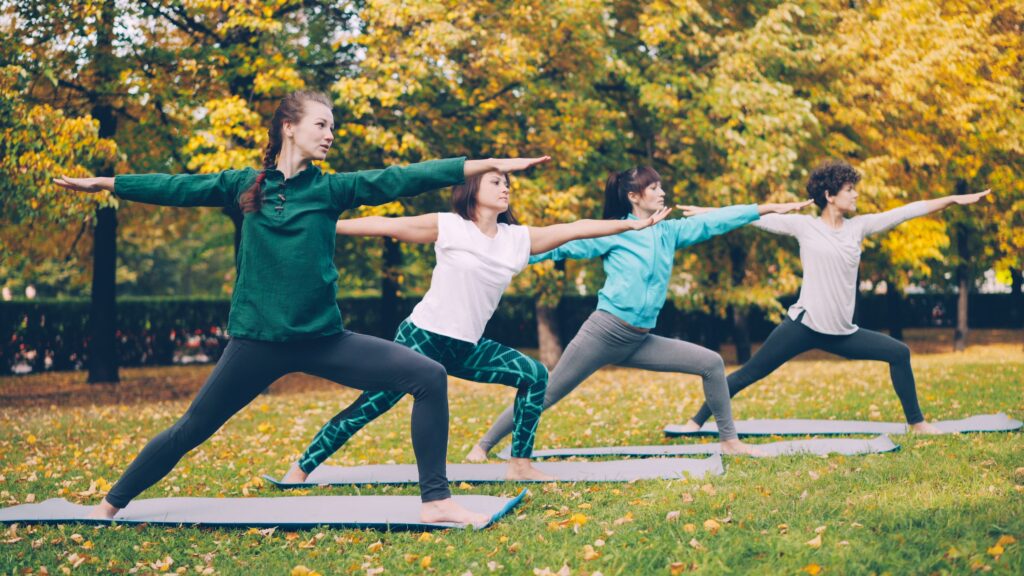
Don’t forget about flexibility! Yoga or Pilates improve balance while reducing injury risk. Plus, they offer a calming effect that benefits both body and mind.
Consider outdoor activities like hiking or dancing. They not only keep you moving but also provide a refreshing change of scenery that invigorates the spirit. Embrace what excites you; this ensures consistency on your journey to an active lifestyle.
Active Lifestyle and Healthy Eating
An active lifestyle and healthy eating go hand in hand. When you engage in regular physical activity, your body requires the right fuel to perform at its best. This is where nutritious food comes into play.
Eating a balanced diet can enhance your energy levels, helping you stay motivated during workouts or outdoor activities. Incorporating fruits, vegetables, whole grains, lean proteins, and healthy fats ensures you’re getting essential vitamins and minerals.
Don’t underestimate hydration either. Staying well-hydrated keeps your body functioning optimally and aids recovery after exercise.
Planning meals around your activities simplifies nutrition choices. For example, if you’re heading for a run or workout later in the day, a light snack with carbs and protein can provide that extra boost you need.
Prioritizing wholesome foods not only supports an active routine but also builds long-term habits for overall wellness.
How Much Physical Activity Do You Need?
The amount of physical activity you need can vary based on several factors, including age and overall health. For adults, the general guideline is a minimum of 150 minutes of moderate aerobic activity each week. This can be broken down into manageable sessions throughout the week.
You might also consider incorporating strength training exercises at least twice weekly. These help build muscle and improve bone density.
For children and adolescents, aiming for at least an hour of active play every day is essential. Activities can range from sports to simple outdoor games that get them moving.
Listening to your body is crucial too. If you’re just starting out or returning after a break, gradual increases in activity will serve you well. Remember, consistency beats intensity when establishing a routine that works for you!
How to Start an Active Lifestyle as a Beginner
Starting an active lifestyle can be exciting and overwhelming at the same time. The key is to take small steps that fit your current fitness level.
Begin by incorporating movement into your daily routine. Take the stairs instead of the elevator, or go for a short walk during lunch breaks. These little changes add up quickly.
Set achievable goals to keep you motivated. Aim for 10-15 minutes of activity each day and gradually increase as you feel comfortable. Tracking your progress can also boost your enthusiasm.
Try different activities to discover what you enjoy most. Whether it’s dancing, cycling, or yoga, finding joy in exercise makes it easier to stick with it.
Don’t forget about social support! Join a local class or find workout buddies who share similar interests. Having a community keeps you accountable and inspired on your journey toward an active lifestyle.
Common Challenges to Staying Active
Staying active often comes with its own set of challenges. One common hurdle is time management. With busy schedules filled with work, family commitments, and social obligations, finding time for physical activity can feel daunting.
Another challenge is motivation. Some days the couch calls louder than a gym session or outdoor run. Routine boredom can also creep in when activities start to feel repetitive.
Access to facilities plays a role too. Not everyone has easy access to parks or gyms, which can limit options for staying fit.
Physical limitations can be an obstacle as well. Injuries or chronic conditions may make certain exercises difficult or even painful.
Knowledge gaps about effective workouts could lead to frustration and disengagement from physical activity altogether. These barriers are real but not insurmountable; understanding them is the first step toward overcoming them.
Tips for Maintaining an Active Lifestyle
Finding ways to stay motivated is key. Set achievable goals, whether it’s walking a certain number of steps daily or trying a new fitness class each week. Celebrate your progress, no matter how small.
Incorporate activity into your routine seamlessly. Choose stairs instead of elevators and opt for biking over driving when possible. Little changes add up.
Buddy up with friends or family members who share similar interests in staying active. Group workouts can make exercising more fun and keep you accountable.
Schedule your activities like appointments. Block time on your calendar for workouts, ensuring they become a regular part of your day.
Listen to your body and rest when needed; recovery is just as important as exercise itself. Balance vigorous workouts with lighter activities such as yoga or stretching sessions to prevent burnout while keeping movement alive in your daily life.
Active Lifestyle for Different Age Groups
An active lifestyle looks different for everyone, especially across various age groups.
For children and teenagers, it’s all about play. Activities like sports, biking, or even dancing encourage not just fitness but also social skills and teamwork.
Young adults may lean toward gym workouts or group classes. This age is often filled with busy schedules, so finding quick yet effective routines can maximize benefits while fitting into a hectic life.
As we move into middle age, the focus shifts slightly. Low-impact exercises such as yoga or swimming become more appealing to maintain flexibility and strength without risking injury.
Seniors benefit greatly from gentle activities like walking or tai chi. These practices promote balance and stability while enhancing mental clarity.
Whatever your stage in life might be, staying active offers something valuable at every turn. Tailoring activities to fit personal interests ensures long-term commitment and joy in movement.
Common Mistakes to Avoid When Staying Active
One common mistake people make is setting unrealistic goals. Expecting to run a marathon after just a few weeks of training can lead to burnout and injury. Start small and gradually increase your activity level.
Another pitfall is neglecting rest days. Your body needs time to recover, especially after intense workouts. Skipping recovery can hinder progress and cause fatigue.
It’s also easy to focus solely on one type of exercise. While running or weightlifting has its benefits, incorporating a variety of activities keeps things interesting and works different muscle groups.
Many forget the importance of hydration and nutrition when staying active. Fueling your body properly enhances performance and overall well-being.
Don’t compare yourself to others. Everyone progresses at their own pace. Focus on personal achievements rather than trying to match someone else’s journey in fitness.
Frequently Asked Questions About an Active Lifestyle
What should I do if I’m new to exercising?
Start small. Choose activities you enjoy and gradually increase intensity. Consistency is key.
How can I fit physical activity into a busy schedule?
Look for opportunities throughout your day. Walk during lunch breaks, take the stairs, or try short home workouts.
Is it necessary to join a gym for an active lifestyle?
Not at all. Many effective exercises require minimal equipment or just your body weight. Nature walks and home routines are excellent alternatives.
What about nutrition? Does eating healthy matter?
Absolutely! Pairing an active lifestyle with balanced meals enhances energy levels and supports overall health.
How often should I exercise each week?
Aim for at least 150 minutes of moderate aerobic activity weekly, along with strength training twice a week for optimal results.
Are there age-specific recommendations when staying active?
Yes, guidelines vary by age group but encourage movement tailored to individual abilities and interests at any stage in life.
Conclusion: Make an Active Lifestyle Part of Your Daily Routine
Embracing an active lifestyle can transform your life in numerous ways. It’s not just about hitting the gym or running marathons; it encompasses small changes you can incorporate into your daily routine. Whether it’s taking the stairs instead of the elevator, walking during lunch breaks, or engaging in a hobby that keeps you moving, every bit counts.
Making activity a priority fosters better health, both physically and mentally. As you experience the benefits—more energy, improved mood, and enhanced overall wellness—you’ll likely find yourself motivated to keep going. Remember that consistency is key; it’s about making movement a regular part of your day rather than an occasional effort.
Seek out activities that excite you and fit seamlessly into your schedule. Surrounding yourself with supportive friends or family members can also help maintain motivation and accountability.
An active lifestyle isn’t reserved for any specific age group or fitness level; everyone can participate in some form of physical activity tailored to their abilities. Overcoming challenges along this journey will only make success sweeter.
Start today by setting achievable goals for yourself. Take those first steps towards incorporating exercise and movement into your life consistently—your mind and body will thank you later!