How to Start a Junk Removal Business: A Complete Guide for Beginners
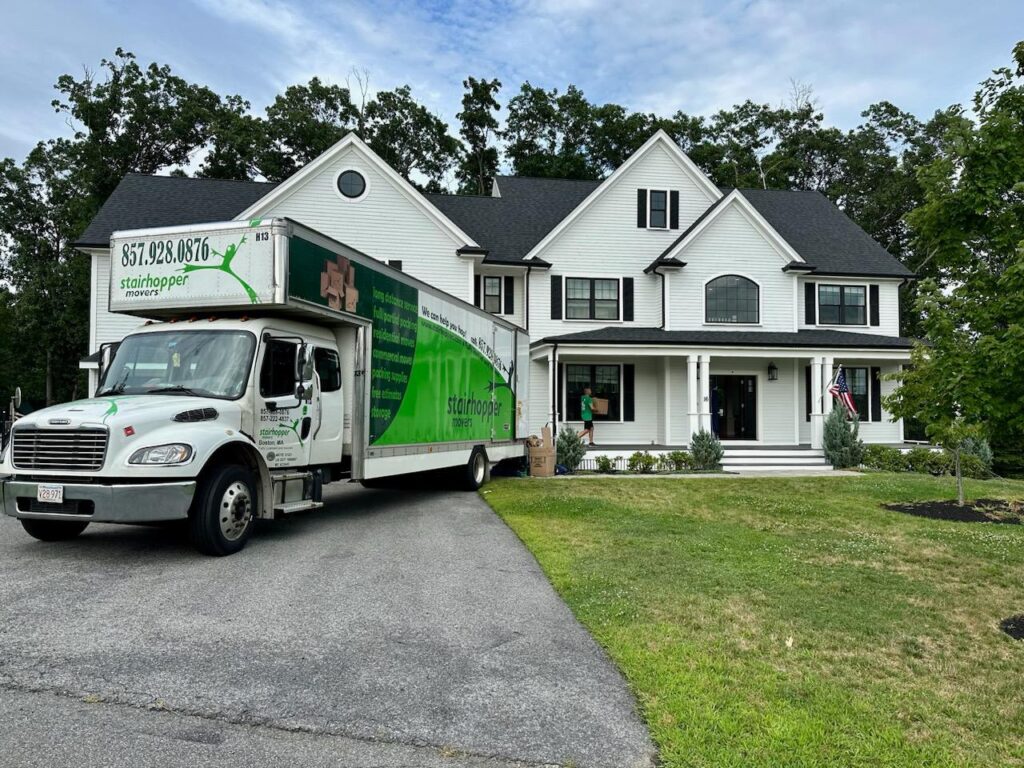
Are you tired of the daily grind and dreaming of becoming your own boss? Starting a junk removal business might just be the perfect venture for you. With clutter piling up in homes and businesses across the USA, there’s an increasing demand for professional junk removal services. Not only can this industry be lucrative, but it also allows you to make a positive impact by helping people declutter their spaces.
Imagine driving around your community, helping others while building a successful enterprise from scratch. It sounds appealing, right? In this complete guide tailored for beginners, we’ll walk through everything you need to know on how to start a junk removal business—from crafting a solid business plan to attracting your first customers. Whether you’re looking for extra income or aiming to build a full-fledged company, we’ve got you covered with practical tips and insights that will set you on the path to success. Let’s dive into transforming that dream into reality!
Starting a junk removal business is an exciting venture that meets a growing need in communities. It involves helping individuals and companies clear out unwanted items, making space for what truly matters.
Why choose this path? The demand for clutter removal services has skyrocketed as people seek to simplify their lives.
Creating a solid business plan lays the foundation for success. This includes defining your target market and outlining your services.
Researching local competitors can help you identify opportunities and gaps in the market. Once armed with information, decide which specific junk removal services you’ll offer—residential, commercial, or both.
Don’t forget about legalities! Registering your business and securing necessary licenses ensures compliance with local regulations.
Investing in reliable equipment like trucks will be crucial too. With everything set up, focus on pricing strategies to remain competitive while attracting those first customers through effective marketing efforts.
Introduction to Junk Removal Business
The junk removal business is an essential service in today’s cluttered world. People accumulate unwanted items for various reasons—moving, renovations, or simply decluttering their homes. This growing need creates a lucrative opportunity for aspiring entrepreneurs.
Starting a junk removal business involves picking up and disposing of unwanted materials safely and responsibly. It requires not just physical labor but also excellent customer interaction skills.
Flexibility is another appealing aspect of this industry. You can choose your working hours, scale as needed, and specialize in certain areas like residential or commercial removals. With minimal startup costs compared to other businesses, it’s accessible for many individuals looking to venture into entrepreneurship.
As communities emphasize sustainability, responsible disposal methods are becoming crucial too. This means there’s room for growth by incorporating recycling practices into your operations.
Benefits of Starting a Junk Removal Business
Starting a junk removal business offers several compelling advantages. First, it requires relatively low startup costs compared to many other ventures. You can begin with just a truck and some basic tools.
Flexibility is another key benefit. As the owner, you set your hours and choose how much work you want to take on. This makes it easier to balance personal commitments with professional responsibilities.
The demand for junk removal services continues to grow as people seek ways to declutter their spaces. This trend presents ample opportunities for new entrepreneurs in various markets across the USA.
Additionally, you’ll have the chance to contribute positively by helping clients reclaim their spaces while promoting recycling and responsible disposal practices. It’s rewarding work that allows you to make an impact in your community while building a successful business.
Steps to Starting a Junk Removal Business
Starting a junk removal business can be an exciting venture. Begin by conducting thorough market research to understand demand and competition in your area.
Next, draft a solid business plan. Outline your goals, target audience, services offered, and financial projections.
Legal requirements follow; register your business and obtain the necessary permits or licenses specific to your region. This step is crucial for operating legally and building trust with clients.
Investing in reliable equipment is essential. A sturdy truck will be the backbone of your operation, alongside tools like gloves, safety gear, and debris bags.
Setting competitive prices based on local rates will help you attract customers while ensuring profitability.
Develop a marketing strategy that includes both online presence through a professional website and offline methods like flyers or community events to reach potential clients effectively.
A. Market Research and Planning
Market research is the bedrock of any successful junk removal business. Understanding your local market helps you identify potential customers and their needs. Take the time to survey neighborhoods, businesses, and community centers to gauge demand.
Analyze your competition as well. Look at other junk removal services in your area. What do they offer? How much do they charge? This information can help you carve out a niche for yourself.
Planning follows research. Outline your service offerings—residential or commercial, large-item pickups or regular cleanouts. Define what makes your business unique; it could be eco-friendly disposal methods or same-day service.
Utilize online tools like Google Trends and social media analytics to refine your approach further. Collect feedback through surveys or informal conversations with potential clients to adapt quickly as needed. A solid understanding of both market trends and customer expectations will set a strong foundation for growth.
B. Legal Requirements and Permits
Before launching your junk removal business, understanding the legal landscape is crucial. Start by researching the licenses required in your state or local area. Regulations can vary widely depending on where you operate.
Many municipalities require a general business license to legally conduct operations. Additionally, specific permits may be necessary for waste disposal and transportation.
Check if there are zoning laws that could affect where you store equipment or vehicles. It’s also wise to consult with a lawyer who specializes in small businesses to ensure compliance with all regulations.
Don’t forget about environmental regulations regarding waste management. Properly disposing of materials not only keeps you compliant but also demonstrates responsibility toward the community.
Taking these steps early will save time and potential headaches down the road as you focus on growing your new venture.
C. Equipment and Supplies Needed
When starting a junk removal business, having the right equipment is essential. A reliable truck or van is your primary tool for collecting and transporting items. Look for vehicles with ample cargo space to handle large loads efficiently.
In addition to transportation, consider investing in tools such as dollies and hand trucks. These will make lifting heavy items much easier while reducing the risk of injury.
Protective gear should not be overlooked either. Gloves, masks, and safety goggles are crucial when dealing with hazardous materials or sharp objects.
Don’t forget about disposal supplies like trash bags and containers. Having these on hand ensures you can manage waste responsibly once you’ve collected it from clients.
Technology can streamline operations. A smartphone app for scheduling jobs or tracking expenses can enhance efficiency and professionalism in your service delivery.
D. Pricing Strategies
Setting competitive prices is crucial in the junk removal business. Start by researching local competitors to understand their pricing structure. This gives you a baseline for your own rates.
Consider offering tiered pricing based on the volume of junk collected. For instance, charge less for smaller loads and more for larger ones. This flexibility can attract a wider range of customers.
Additionally, think about including value-added services like same-day pickups or eco-friendly disposal options. These can justify higher prices while enhancing customer satisfaction.
Don’t forget to factor in operational costs such as fuel, labor, and disposal fees when setting your rates.
Be transparent with your pricing model to build trust with potential clients. Clear communication helps avoid misunderstandings and fosters long-term relationships with your customers.
E. Marketing and Advertising Techniques
Effective marketing is crucial for your junk removal business. Start by harnessing the power of social media platforms like Facebook and Instagram. Share before-and-after photos of completed jobs to showcase your work.
Consider using Google My Business to enhance local visibility. Encourage satisfied customers to leave positive reviews, as they significantly influence potential clients searching for services in their area.
Networking can also be advantageous. Partner with real estate agents, contractors, or cleaning companies who may need reliable junk removal services for their clients.
Don’t overlook traditional methods either—flyers and local newspaper ads can still resonate well within certain communities. Attend community events or fairs to promote your services directly while engaging with potential customers face-to-face.
Utilizing a mix of online and offline strategies will help you reach a wider audience, boosting brand awareness effectively in your locality.
Tips for Success in the Junk Removal Industry
Building a successful junk removal business requires dedication and strategic thinking. First, prioritize customer satisfaction. Happy clients will refer you to others and become repeat customers.
Invest in good equipment that can handle various types of junk efficiently. A reliable truck is crucial for transporting items safely and quickly.
Networking is equally important. Collaborate with local real estate agents, contractors, or cleaning services who might recommend your services to their clients.
Stay organized with scheduling and invoicing software. This not only simplifies operations but also enhances professionalism.
Keep abreast of industry trends and regulations related to waste disposal. Adapting to changes ensures compliance while positioning your business as a responsible choice for eco-conscious consumers.
Challenges of Running a Junk Removal Business
Running a junk removal business can be rewarding, but it’s not without its challenges. One major hurdle is dealing with unpredictable demand. Some seasons will bring an influx of jobs, while others may leave you twiddling your thumbs.
Another issue is the physical nature of the work. Lifting heavy items and navigating tight spaces can lead to injuries if proper precautions aren’t taken.
Regulatory compliance adds another layer of complexity. Different states have various laws regarding waste disposal that must be adhered to or risk hefty fines.
Customer expectations also pose challenges. People want quick service at a reasonable price, which can strain resources and profitability.
Competition in urban areas can make it hard for new businesses to establish themselves. Standing out requires creativity and effective marketing strategies tailored to local needs.
Alternative Options for Starting a Junk Removal Business
For those hesitant to dive into a full-fledged junk removal business, there are alternative avenues worth exploring. Franchising is one option that allows you to tap into an established brand and support network. This can ease the learning curve significantly.
Another route is specializing in niche markets, such as eco-friendly disposal or estate cleanouts. By focusing on specific services, you can differentiate yourself from generic providers and attract targeted clientele.
Consider partnering with local real estate agents or property management companies. They often require reliable junk removal services for foreclosures or tenant turnovers.
Think about offering additional services like donations pickup or recycling options. This not only enhances your offerings but also appeals to environmentally-conscious customers who value sustainability in their choices. Each of these alternatives provides a unique way to enter the industry without committing fully right away.
Conclusion
Starting a junk removal business can be an exciting and rewarding venture. With the growing demand for clutter-free living spaces, this industry presents ample opportunities for new entrepreneurs. By understanding the ins and outs of market research, legal requirements, pricing strategies, and effective marketing techniques, you can set your business on the path to success.
As you embark on this journey, remember that providing exceptional customer service will differentiate you from competitors. Building a strong reputation in your community is key to attracting repeat clients and referrals.
Though challenges are inevitable—like fluctuating demand or competition—staying adaptable will help you navigate these obstacles. Consider diversifying your services or exploring eco-friendly disposal options to stay ahead in the market.
With careful planning and dedication, starting a junk removal business could lead not only to profitability but also personal satisfaction as you help others reclaim their space. Embrace the adventure ahead; it may just be one of the most fulfilling decisions you’ll make!