Instructors Who Teach Courses at the High School Level: Roles & Responsibilities
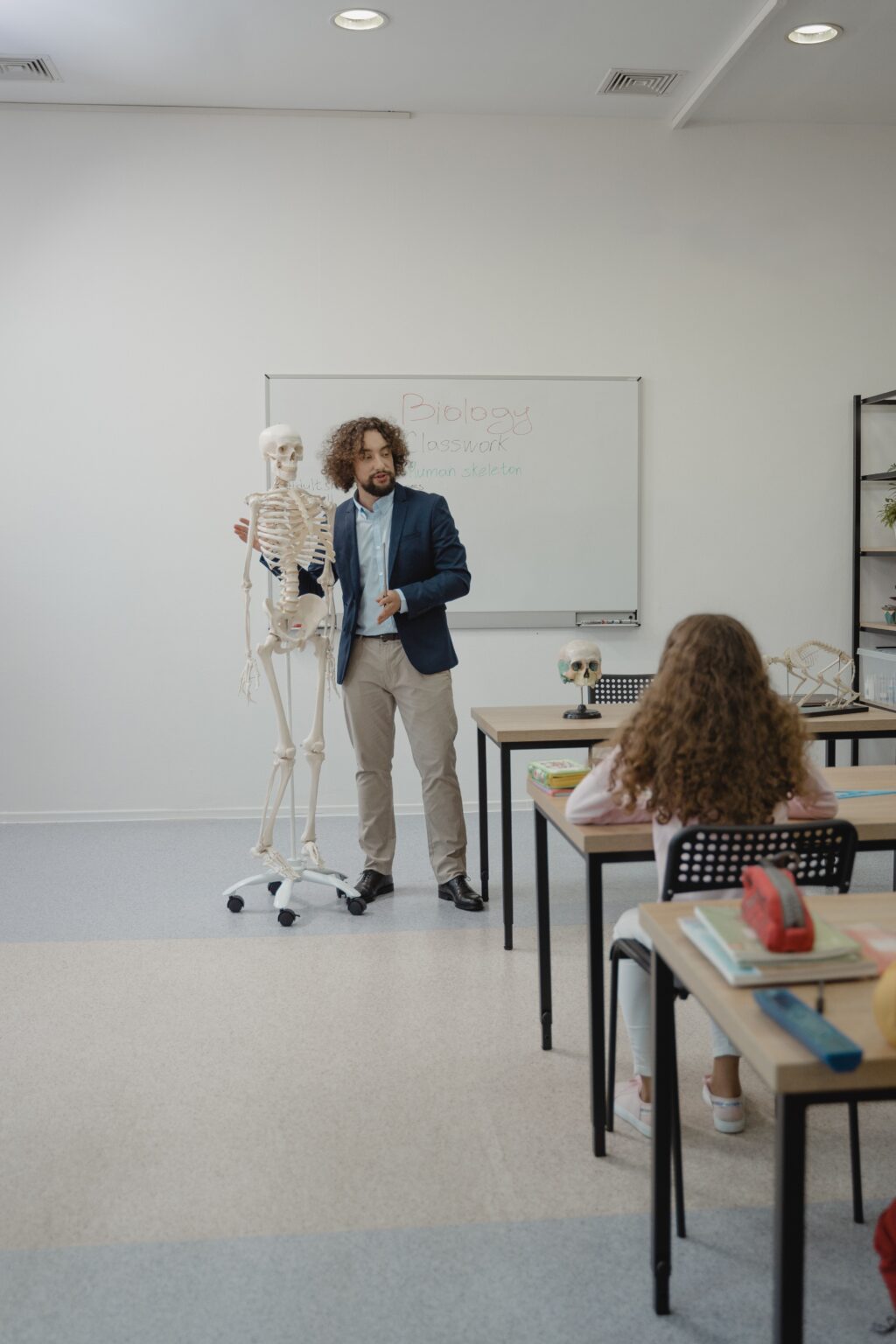
instructors who teach courses at the high school level
In the bustling halls of high schools across the country, instructors play a pivotal role in shaping young minds. They are more than just educators; they are mentors, guides, and sometimes even life coaches. High school instructors who teach courses at this critical level have a profound impact on student development, influencing not only academic skills but also personal growth.
From engaging discussions in history class to hands-on projects in career and technical education, these professionals bring subjects to life. Whether they’re igniting a passion for literature or preparing students for future careers through specialized training, their influence extends far beyond mere textbooks. Let’s dive deeper into the world of high school instructors and explore their roles, responsibilities, and what it takes to become one of these essential figures in education.
Instructors Who Teach Courses at the High School Level
Instructors who teach courses at the high school level are key players in a student’s educational journey. They bridge knowledge gaps and inspire critical thinking, preparing teens for both college and life beyond the classroom.
These educators come with diverse backgrounds, each bringing unique skills to their subjects. Whether it’s math, science, literature, or arts, they tailor their teaching styles to engage students effectively.
The dynamic environment of a high school means instructors must adapt quickly to different learning needs. They often serve as confidants and role models; many students look up to them for guidance during these formative years.
By fostering a supportive atmosphere that encourages curiosity and exploration, these instructors help create lifelong learners ready to tackle future challenges head-on. Their influence shapes not just academic success but also emotional resilience among young adults navigating crucial life decisions.
What Are High School Instructors?
High school instructors are educators who specialize in teaching students typically aged 14 to 18. They play a pivotal role in shaping the academic and social development of adolescents.
These professionals possess expertise in specific subjects, such as math, science, literature, or history. Their deep understanding of these fields allows them to engage students effectively.
Moreover, high school instructors create an environment conducive to learning. They encourage critical thinking and foster discussions that challenge young minds.
Instructors also act as mentors and guides during this crucial stage of life. They support personal growth alongside academic achievement.
Their impact extends beyond textbooks; they prepare students for real-world challenges after graduation. With their guidance, high schoolers can explore career options and higher education paths while developing essential life skills.
Their Role in Student Education
High school instructors play a pivotal role in shaping the educational journey of their students. They are not just facilitators of knowledge; they inspire, mentor, and guide young minds through critical developmental stages.
These educators create an environment where students feel safe to express themselves. This atmosphere encourages curiosity and fosters a love for learning. Instructors often introduce complex concepts in relatable ways, making subjects more accessible and engaging.
Moreover, they serve as advocates for their students’ needs. By identifying individual strengths and weaknesses, high school instructors can tailor their teaching strategies accordingly. Their feedback helps learners stay on track academically while building confidence along the way.
Additionally, these professionals collaborate with parents and staff to ensure that each student receives comprehensive support. Their dedication goes beyond lesson plans; it extends into nurturing well-rounded individuals prepared for future challenges.
Types of High School Instructors
High school instructors come in various forms, each contributing uniquely to student learning.
Subject-specific teachers focus on traditional academic subjects like math, science, English, and history. They help students build foundational knowledge critical for higher education.
Career and technical instructors provide hands-on experience in specialized fields. This includes areas such as welding, culinary arts, or information technology. Their expertise prepares students for immediate entry into the workforce.
Some educators blend both approaches by incorporating real-world applications into their lessons while covering essential curriculum content.
Additionally, special education instructors play a vital role in supporting diverse learners with unique needs. They adapt teaching methods to ensure every student can thrive academically.
These varied types of high school instructors create a rich educational environment where all students have opportunities to succeed and explore their interests.
Subject-Specific Teachers
Subject-specific teachers play a vital role in high school education. They specialize in particular subject areas, such as mathematics, science, language arts, or social studies. This specialization allows them to dive deep into their subjects and share that passion with students.
These instructors not only deliver content but also inspire curiosity and critical thinking. Their expertise enables them to tackle complex topics effectively and make connections that resonate with young minds.
In the classroom, they employ various teaching methods tailored to their subject matter. Whether it’s engaging discussions in literature or hands-on experiments in chemistry, these educators create dynamic learning environments.
Building relationships is another essential aspect of their role. By connecting concepts to real-life applications, they help students see the relevance of what they’re learning beyond the classroom walls. Their dedication shapes future leaders and innovators ready to take on challenges ahead.
Career and Technical Instructors
Career and technical instructors play a vital role in preparing students for the workforce. They focus on skills that are directly applicable to various industries. This hands-on approach equips learners with practical knowledge.
These educators teach subjects like automotive technology, culinary arts, and computer programming. Their expertise helps bridge the gap between theoretical learning and real-world applications.
In addition to classroom instruction, career and technical instructors often foster partnerships with local businesses. This collaboration can lead students to internships or job placements after graduation.
Their teaching style is typically interactive, emphasizing projects and simulations that mimic actual work environments. By doing so, they create an engaging atmosphere where students can thrive.
Moreover, these instructors stay updated on industry trends to ensure their curriculum remains relevant. Their commitment not only benefits individual students but also strengthens entire communities by producing skilled workers ready to meet market demands.
Responsibilities of High School Instructors
High school instructors have a diverse range of responsibilities that extend beyond mere classroom instruction. They are tasked with creating engaging lesson plans that cater to different learning styles, ensuring all students can grasp complex concepts.
Instructors also play a crucial role in assessing student performance. This involves designing tests, quizzes, and projects while providing constructive feedback to guide improvement.
Another vital aspect is offering support outside of regular class hours. High school teachers often provide additional help or tutoring for struggling students, fostering an environment where everyone feels valued and capable of succeeding.
Moreover, effective communication with parents is essential. Keeping families informed about their child’s progress strengthens the educational partnership and encourages supportive home environments.
High school instructors must stay updated on educational trends and standards. Continuous professional development ensures they deliver relevant content effectively while adapting to changes in the curriculum landscape.
Teaching and Lesson Planning
Effective teaching begins with thorough lesson planning. High school instructors must craft lessons that engage students and align with educational standards.
Planning involves setting clear objectives for each class session. These goals guide the direction of the lesson, ensuring that every activity serves a purpose.
Instructors also need to consider diverse learning styles. Incorporating various teaching methods can cater to visual, auditory, and kinesthetic learners alike.
Additionally, flexibility is crucial in lesson planning. Unexpected events or student needs may arise during a class; being adaptable allows instructors to modify their approach on-the-fly.
Assessment tools play an important role in this process. Evaluating student understanding through quizzes or discussions helps teachers adjust future lessons based on feedback and performance.
Student Assessment and Support
Student assessment and support are critical components of a high school instructor’s role. Regular assessments help gauge student understanding and progress in various subjects.
Instructors utilize different methods, from quizzes to project-based evaluations. These tools provide insights into where students excel and where they may struggle. Tailoring feedback is essential for fostering improvement.
Support goes beyond academic performance. High school instructors often address emotional and social needs as well. They create an environment that encourages open communication, making it easier for students to seek help when needed.
Proactive engagement can make a real difference in student outcomes. By identifying challenges early, instructors can connect students with additional resources or interventions, enhancing their overall educational experience.
A supportive atmosphere not only boosts confidence but also promotes a love for learning among students. In this dynamic setting, every assessment becomes an opportunity for growth.
Skills of Effective High School Instructors
Effective high school instructors possess a unique blend of skills that greatly enhance student learning. Communication is paramount. The ability to convey complex ideas in an understandable manner fosters engagement and clarity.
Classroom management also plays a vital role. An organized environment encourages focus and minimizes disruptions, allowing students to thrive academically.
Adaptability stands out as another crucial skill. Each class has its own dynamics, so being flexible helps instructors meet diverse needs effectively.
Building relationships with students can’t be overlooked either. A supportive atmosphere cultivates trust, making it easier for learners to express their challenges openly.
Strong organizational skills ensure that lesson plans are executed smoothly while keeping track of assessments and student progress on point. This combination allows instructors who teach courses at the high school level to create an enriching educational experience for all their students.
Communication Skills
Effective communication is crucial for high school instructors. It shapes how they convey information and engage with students. Clear explanations promote understanding and encourage participation.
Instructors must adapt their communication style to meet diverse learning needs. This includes using both verbal and non-verbal cues, such as body language or facial expressions, to reinforce messages.
Active listening also plays a significant role. By truly hearing what students say, instructors can foster an open environment where learners feel valued and understood.
Additionally, maintaining professionalism in discussions enhances credibility. Instructors should create a safe space for dialogue while being approachable and supportive.
Moreover, integrating technology into communication can enhance interactions. Email updates or online forums allow for continuous engagement outside the classroom setting, bridging gaps between lessons.
Refining these skills enables instructors to better connect with their students and enrich the overall educational experience.
Classroom Management
Classroom management is a crucial skill for high school instructors. It sets the tone for learning and creates an environment where students can thrive.
Effective classroom management involves establishing clear rules and routines. This consistency helps students understand expectations, which fosters respect and responsibility.
Engagement plays a pivotal role in keeping order. By incorporating interactive lessons, teachers can capture attention and minimize disruptions. Active participation encourages students to invest in their own learning journey.
Building relationships with students also enhances classroom dynamics. When instructors show they care, it encourages mutual respect. Students are more likely to follow guidelines when they feel valued.
Flexibility is key as well. High school classrooms often present unexpected challenges that require quick thinking from educators. Adapting strategies on-the-fly ensures that objectives are met even during chaotic moments.
Strong classroom management creates a supportive space conducive to both teaching and learning.
How to Become a High School Instructor
Becoming a high school instructor requires dedication and a clear pathway. Start by pursuing the right education. Most states mandate at least a bachelor’s degree in education or a specific subject area.
Next, practical experience is essential. Student teaching programs provide valuable classroom exposure while honing your instructional skills. This hands-on experience can be enlightening, allowing you to understand student dynamics.
Obtaining a teaching certification is another critical step. Each state has its requirements, often involving passing exams and background checks. Researching these specifics will prepare you for this process.
Networking with current educators can offer insights into the profession’s nuances. Engaging in professional development opportunities keeps you updated on best practices and educational trends.
Cultivating patience and adaptability will serve you well as an instructor navigating diverse student needs each day in the classroom environment.
Education and Qualifications
To become an effective high school instructor, education and qualifications are crucial. Typically, a bachelor’s degree in education or a specific subject area is the foundation. This academic background equips teachers with essential knowledge and pedagogical skills.
Many states require aspiring instructors to pursue additional coursework focused on teaching methods. Programs often include student teaching experiences that offer hands-on learning opportunities in real classroom settings.
Certification is another key component. Most regions mandate passing exams that assess both content knowledge and teaching abilities. These credentials ensure instructors meet professional standards.
Continuous professional development also plays a vital role in maintaining relevance within educational trends and methodologies. Workshops, seminars, and graduate courses can help educators refine their skills throughout their careers.
Teaching Certification
Teaching certification is a crucial step for anyone aspiring to become an instructor who teaches courses at the high school level. This credential demonstrates that teachers have met specific educational and professional standards required by state or regional authorities.
To obtain this certification, candidates must typically complete a bachelor’s degree in education or a related field. Some states may also require additional coursework focused on pedagogy and classroom management techniques.
After finishing their degree, prospective instructors often need to pass standardized exams. These assessments evaluate teaching skills and knowledge relevant to their subject area.
Practical experience through student teaching internships is also essential. This hands-on training allows future educators to apply what they’ve learned in real classrooms under the supervision of experienced mentors.
Each state has its unique requirements, so it’s important for aspiring educators to research regulations applicable in their desired teaching location.
FAQs About High School Instructors
When it comes to high school instructors, many questions arise. What courses do these educators typically teach? High school instructors cover a broad spectrum of subjects including math, science, English, social studies, and the arts.
Another common question involves qualifications. Generally, teaching at this level requires a bachelor’s degree in education or a specific subject area along with state certification.
Many wonder about the day-to-day responsibilities of these instructors. Beyond delivering lessons and grading assignments, they often engage in mentoring students and collaborating with parents.
How do high school teachers maintain their effectiveness? Continuous professional development plays an essential role as they seek out workshops and training sessions to enhance their skills and stay updated on educational trends.
What Courses Do High School Instructors Teach?
High school instructors play a crucial role in shaping young minds by teaching a diverse range of subjects. Typically, they cover core academic areas such as mathematics, science, English language arts, and social studies. Each subject provides foundational knowledge that students need to succeed.
Beyond the essentials, many high schools offer electives that allow students to explore their interests. Instructors might teach courses in art, music, or drama for those inclined towards creative pursuits.
Additionally, foreign languages are popular options; instructors help students learn new cultures through Spanish, French, Mandarin, and more. Career and technical education (CTE) programs also thrive in high schools. Here instructors prepare students for various trades with hands-on classes like automotive repair or culinary arts.
These varied offerings reflect the diverse needs of today’s learners and equip them with skills for both higher education and future careers.
What Qualifications Are Required?
To become a high school instructor, specific qualifications are essential. Typically, candidates need at least a bachelor’s degree in their chosen subject area or education. This foundational knowledge is crucial for effective teaching.
After obtaining a degree, aspiring instructors must also secure teaching certification. Each state has its own requirements for certification, which often includes passing exams and completing a student-teaching internship. These steps ensure that teachers are prepared to handle classroom dynamics and instructional methods.
Some positions may require advanced degrees for specialized subjects or administrative roles, enhancing both expertise and career prospects. Continuous professional development through workshops and courses can further enhance an instructor’s skills.
The combination of education, certification, and ongoing learning shapes the effectiveness of instructors who teach courses at the high school level. Their dedication impacts countless students’ lives as they pave the way for future success.