What Is the Danger Zone? Everything You Need to Know About Food Safety
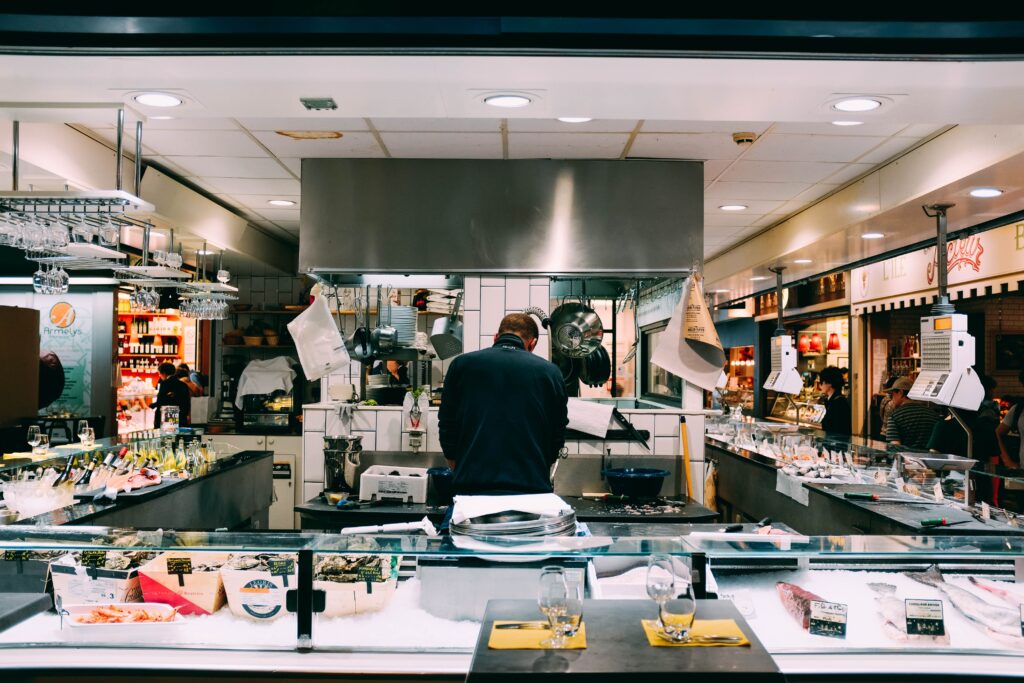
Food safety is a topic that deserves our attention, especially when it comes to preventing foodborne illnesses. One crucial aspect of food safety to understand is the concept of the “Danger Zone.” This term might sound ominous, but it’s all about keeping your meals safe and healthy. Whether you’re cooking at home or enjoying a meal out, knowing what the danger zone entails can make a significant difference in ensuring your food remains safe to eat. Let’s dive into everything you need to know about this important aspect of food safety—your health may depend on it!
What Is the Danger Zone in Food Safety?
The “Danger Zone” refers to a temperature range that fosters the rapid growth of harmful bacteria in food. Specifically, it spans from 40°F (4°C) to 140°F (60°C). Within this zone, perishable items can become unsafe in just a matter of hours.
Food sitting at these temperatures is particularly vulnerable after being cooked or thawed. For instance, if you leave leftovers out on the counter for too long, they’re entering dangerous territory.
Understanding this concept is essential for anyone who handles food—whether you’re a home cook or running a restaurant kitchen. It’s crucial to monitor temperatures closely and act quickly when foods fall into this risky range.
By staying aware of the Danger Zone, we can significantly reduce our chances of encountering foodborne illnesses and keep our meals safe and enjoyable.
Why Is the Food Danger Zone Important?
Understanding the food danger zone is crucial for maintaining health and safety. This temperature range, typically between 40°F and 140°F (4°C to 60°C), is where harmful bacteria thrive.
When food sits in this zone, it becomes a breeding ground for pathogens that can lead to foodborne illnesses. These infections can cause severe health issues, especially in vulnerable populations like children, the elderly, or those with weakened immune systems.
Knowing about the danger zone empowers you to make safer choices in food preparation and storage. It’s not just about keeping your meals delicious; it’s also about safeguarding your family from potential dangers lurking within improperly handled foods.
Awareness of these critical temperatures helps reduce waste too. Properly managing how long foods stay within this range ensures they remain safe and enjoyable for consumption.
How Long Can Food Stay in the Danger Zone?
Food can linger in the danger zone—between 40°F and 140°F—longer than you might expect. The general rule is that perishable items should not be left in this temperature range for more than two hours.
When temperatures climb, bacteria thrive. Just think about it: a summer picnic or a buffet setting where food sits out too long can become risky.
If the temperature exceeds 90°F, cut that time down to just one hour. Heat accelerates bacterial growth significantly, so staying vigilant is crucial.
Always remember to keep track of how long food has been sitting out. Using timers or reminders can help ensure safety isn’t compromised while enjoying meals with friends and family. Keeping these guidelines in mind helps prevent foodborne illnesses from spoiling your day.
What Foods Are Most at Risk?
Certain foods are particularly vulnerable when it comes to the danger zone. These items can easily become breeding grounds for harmful bacteria if not handled properly.
Raw meats, such as poultry and beef, top the list. They often contain pathogens that thrive in warm conditions. If left out too long, they can pose serious health risks.
Dairy products also require careful attention. Milk, cheese, and yogurt should always be kept refrigerated to prevent spoilage and bacterial growth.
Prepared dishes like casseroles or pasta salads are risky too. Once cooked, if they aren’t cooled quickly or stored correctly, they can quickly enter that dangerous temperature range.
Cut fruits and vegetables deserve a mention. They may seem harmless but can harbor bacteria once their protective skins are removed. Proper storage techniques play a critical role in keeping these foods safe for consumption.
How Bacteria Grow in the Danger Zone
Bacteria thrive in the danger zone, a temperature range between 40°F and 140°F. This environment is ideal for microbial growth, allowing bacteria to double in number every 20 minutes under optimal conditions.
Moisture plays a crucial role as well. Foods with high water content provide the perfect breeding ground for these microorganisms. Think of juicy fruits or moist meats—both are at risk if not stored properly.
Certain types of bacteria flourish faster than others within this range. Pathogens like Salmonella and E. coli can quickly proliferate, leading to foodborne illnesses that affect millions annually.
Even seemingly harmless foods can become hazardous when left too long in the danger zone. Awareness is key; understanding how bacteria grow helps us make informed choices about food safety practices.
How to Keep Food Out of the Danger Zone
Keeping food out of the danger zone starts with temperature control. Always store perishable items in the refrigerator or freezer promptly after purchase.
Set your fridge to 40°F (4°C) or lower. This helps slow down bacterial growth significantly. Freezers should be at 0°F (-18°C).
When cooking, ensure meats reach safe internal temperatures before serving. Use a meat thermometer for accuracy.
Be mindful during meal preparation. Don’t leave cooked foods sitting out for too long—serve them hot and refrigerate leftovers immediately.
If you’re hosting an event, keep cold dishes on ice and use warming trays for hot foods. This will help maintain safe temperatures throughout your gathering.
Educate everyone involved in food handling about these practices to promote safety consistently across all meals prepared at home or in restaurants.
Safe Food Storage and Refrigeration Tips
Proper food storage is essential for maintaining freshness and safety. Always store food in airtight containers to minimize exposure to air and moisture. This can help prevent spoilage.
Refrigeration temperature matters. Keep your refrigerator set at or below 40°F (4°C). A thermometer can be handy for ensuring that the temperature stays within safe limits.
Labeling items with dates helps manage leftovers effectively. Use the oldest items first, reducing waste and preventing potential health risks.
Don’t overcrowd your fridge; cool air needs space to circulate around foods evenly. Also, remember to keep raw meats separate from other foods to avoid cross-contamination.
Freezing is a great option for long-term storage, but make sure you use freezer-safe bags or containers. Thaw frozen foods safely in the refrigerator, not on the counter, to inhibit bacterial growth.
Common Food Safety Mistakes to Avoid
One of the most common food safety mistakes is neglecting to wash hands properly before handling food. This simple step can prevent a host of illnesses.
Using the same cutting board for raw meats and vegetables without washing it in between can lead to cross-contamination. Always have separate boards ready.
Many people forget to check expiration dates on products. Consuming expired items can be risky, as they may harbor harmful bacteria.
Another pitfall is leaving perishable foods out for too long, especially during gatherings. It’s crucial to keep an eye on time when serving dishes that require refrigeration.
Overloading your refrigerator or freezer affects air circulation, leading to inconsistent temperatures. Ensure there’s enough space around items for optimal cooling efficiency.
Frequently Asked Questions About the Danger Zone
What is the danger zone? The danger zone refers to temperatures between 40°F and 140°F. Within this range, bacteria can multiply rapidly, increasing the risk of foodborne illnesses.
How can I tell if food is unsafe? Look for changes in color, texture, or odor. If it has been left out too long within the danger zone, it’s safer to discard it.
Can you eat food that was cooked but left out? If cooked food sits in the danger zone for more than two hours (or one hour on hot days), it should not be consumed.
Is reheating enough to make food safe again? While reheating often kills bacteria, some toxins produced by certain bacteria may not be destroyed by heat. It’s best to avoid taking chances with questionable foods.
What are some signs of spoiled food? Signs include a sour smell, slimy texture, or mold growth. Trust your senses; if something feels off about your food, it’s better to throw it away.
Conclusion: Keeping Food Safe
Keeping food safe is a priority for everyone, whether you’re cooking at home or running a restaurant. Understanding what the danger zone is—a temperature range between 40°F and 140°F—can make all the difference in preventing foodborne illnesses. It’s crucial to monitor how long food stays within this range and know which foods are most susceptible to bacterial growth.
Taking proactive measures can significantly reduce risks. Proper storage techniques, such as refrigerating perishable items promptly and maintaining appliance temperatures, play an essential role in keeping your kitchen safe. Always be mindful of common mistakes that could lead to unsafe practices.
By staying informed about food safety guidelines and implementing them consistently, you create a safer environment for yourself and others. Making these small adjustments can ensure that every meal served is not just delicious but also safe for consumption. Prioritize awareness around the danger zone, so you can enjoy worry-free dining experiences every time.