Medical Screening: Why Regular Health Checks Matter
Imagine walking down a path where you can catch potential health issues before they become serious problems. That’s the essence of medical screening—your proactive approach to personal wellness. Regular health checks empower you with knowledge about your body, helping you stay ahead of any lurking concerns.
In today’s fast-paced world, we often overlook our health until something goes wrong. But what if there was a way to prioritize your well-being without waiting for symptoms? Medical screenings are vital in identifying risks early on and ensuring that you’re not just surviving but thriving.
Let’s explore why these regular check-ups matter more than ever and how they can be a game-changer in your journey toward better health.
What Is Medical Screening?
Medical screening refers to the process of checking for diseases or conditions in individuals who do not yet show symptoms. It involves a variety of tests and assessments designed to identify potential health risks early on.
These screenings can range from simple blood tests to more complex imaging procedures. Each type serves a specific purpose, targeting various aspects of overall health.
The idea is straightforward: detect issues before they escalate into serious concerns. By doing so, medical professionals can recommend preventive measures or treatments that might save lives.
Regular screenings play an essential role in managing chronic diseases as well, offering insights that help tailor personal care plans. With advancements in technology, these tests have become more accessible and effective than ever before.
Why Is Medical Screening Important?
Medical screening plays a critical role in preventive healthcare. It helps identify potential health issues before they escalate into more serious conditions. Early detection can be life-saving.
Regular screenings provide insights into your overall health status. They allow you to take proactive measures, such as lifestyle changes or early treatments, that can significantly improve outcomes.
Moreover, medical screening fosters a sense of accountability among individuals regarding their health. By staying informed about personal risk factors and conditions, people are empowered to make better choices.
Insurance companies often encourage regular screenings by offering coverage incentives. This not only alleviates financial concerns but also emphasizes the importance of prioritizing health.
Regular medical screenings contribute to a healthier community. When individuals take charge of their well-being through consistent check-ups, it leads to reduced healthcare costs and improved public health metrics over time.
Common Types of Medical Screening Tests
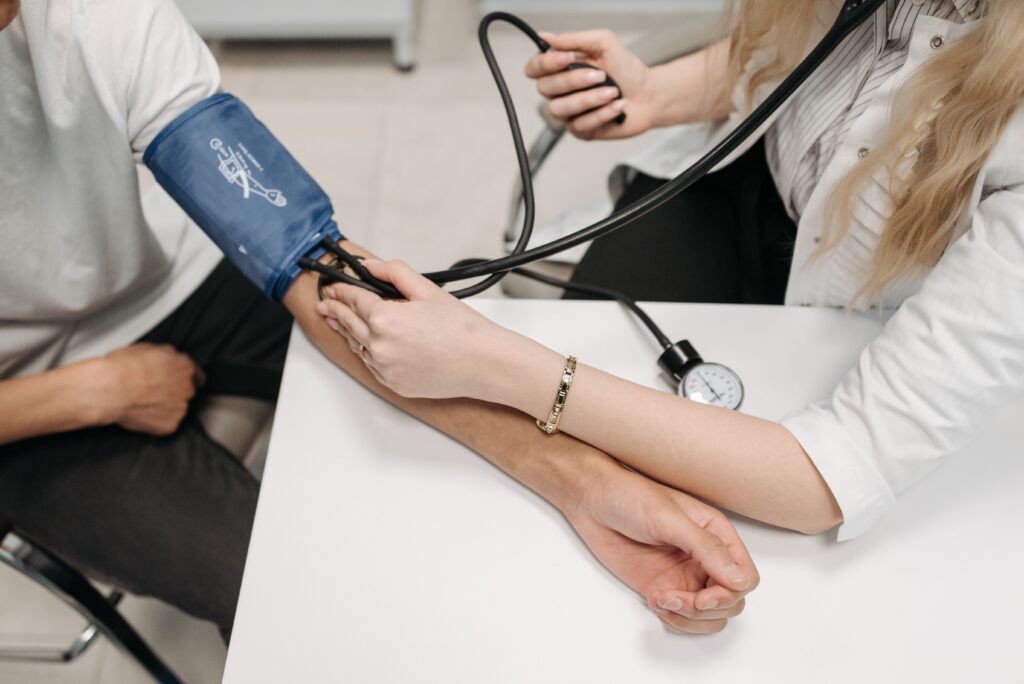
Medical screening tests come in various forms, each tailored to detect specific health issues. Among the most common is the blood pressure test, which helps identify hypertension—a silent condition affecting many.
Cholesterol screenings are also prevalent. These tests measure your lipid levels and help assess cardiovascular risks. They are essential for maintaining heart health over time.
Mammograms serve as a critical tool for breast cancer detection in women. Regular imaging can catch abnormalities early, significantly improving treatment outcomes.
For men, prostate-specific antigen (PSA) tests gauge prostate health and screen for potential cancers. Early detection here is vital too.
Colonoscopies play a significant role in colorectal cancer prevention by allowing doctors to visualize the colon and remove precancerous polyps before they develop into serious issues. Each of these screenings plays a crucial part in proactive healthcare management.
Benefits of Regular Health Screenings
Regular health screenings offer numerous advantages that go beyond just checking for diseases. They provide a proactive approach to maintaining your well-being.
One key benefit is the opportunity for early detection. Catching potential health issues before they escalate can significantly improve treatment outcomes and reduce healthcare costs over time.
Screenings also foster a better understanding of personal health risks. Knowing your family history and lifestyle factors helps tailor preventive measures, empowering you to make informed choices.
Another advantage is building a relationship with healthcare providers. Regular visits encourage open communication, allowing you to discuss concerns and receive personalized advice tailored to your needs.
Additionally, staying on top of screenings promotes accountability in managing your health goals. It serves as a reminder that prioritizing wellness is essential in today’s fast-paced world.
How Medical Screening Helps With Early Detection
Medical screening plays a crucial role in identifying health issues before they escalate. By catching diseases early, patients often have more treatment options available.
Many chronic conditions, like diabetes or hypertension, can remain hidden for years. Regular screenings help unveil these silent threats. Early intervention can lead to better outcomes and improved quality of life.
For instance, cancer screenings can detect abnormalities when they are most treatable. Conditions such as breast or colorectal cancer benefit greatly from routine checks.
Moreover, medical screening encourages proactive health management. It empowers individuals to make informed choices about their lifestyle and healthcare needs.
This foresight not only helps in managing existing conditions but also promotes overall wellness by fostering awareness of one’s own body and its changes over time.
Who Should Get Regular Medical Screening?
Everyone can benefit from medical screening, but certain groups should prioritize regular checks. Adults over 40 are particularly encouraged to undergo screenings, as the risk of chronic diseases increases with age.
Individuals with a family history of specific health conditions like heart disease or diabetes need to be vigilant. These hereditary factors significantly raise their chances of developing similar issues.
Pregnant women also require special attention through prenatal screenings. These tests ensure both maternal and fetal health throughout pregnancy.
Moreover, people who lead sedentary lifestyles or have unhealthy diets should consider frequent assessments. Identifying potential risks early can promote healthier lifestyle choices before problems escalate.
Anyone experiencing unusual symptoms should seek immediate evaluation rather than waiting for scheduled screenings. Timely action is crucial in maintaining long-term health and well-being.
How Often Should You Have Health Screenings?
The frequency of health screenings varies based on age, risk factors, and personal health history. For young adults in good health, a screening every few years may suffice.
Once you hit 40, it’s wise to schedule annual check-ups. As the body ages, the need for monitoring increases to catch potential issues early.
Individuals with chronic conditions or family histories of certain diseases should consult their healthcare providers about more frequent assessments. Tailoring your screening schedule ensures you’re proactive rather than reactive.
Women often require specific tests like mammograms starting at 40 or earlier if they’re high-risk. Men might consider prostate exams around the same age.
Always listen to your body and communicate any changes to your doctor. Regular discussions about personal risks can help determine an appropriate timeline for your screenings.
How to Prepare for a Medical Screening
Preparing for a medical screening is crucial for accurate results. Start by checking with your healthcare provider about any specific instructions.
If fasting is required, plan accordingly. Avoid eating or drinking anything except water for the recommended time before your appointment. This ensures tests like cholesterol and glucose are reliable.
Dress comfortably and consider wearing layers, as you may need to change during the visit. Bring along necessary documents, such as identification and insurance information.
Keep a list of medications you take along with dosages. Your doctor needs this information to assess potential interactions or side effects that could affect test outcomes.
Be ready to discuss your health history openly. Transparency helps healthcare professionals understand your situation better and tailor screenings appropriately.
Common Questions About Medical Screening
Many people have questions about medical screening, and that’s completely normal. Understanding the process can ease anxiety and encourage participation.
One common query is, “What exactly happens during a screening?” Typically, it involves tests or examinations tailored to assess your health risks based on age and lifestyle factors.
Another frequent concern revolves around costs. Many insurance plans cover preventive screenings, but it’s wise to check your specific policy details beforehand.
People also wonder how long results take. This varies by test type; some provide immediate feedback while others may require a few days for lab analysis.
There’s often curiosity about what to do if a screening reveals an issue. Healthcare providers usually work with patients to discuss next steps and further evaluations if necessary.
Conclusion: The Importance of Regular Health Checks
Regular health checks play a vital role in maintaining overall well-being. They are not just about addressing existing issues but also about preventing future problems. With the right screenings, you can catch potential health concerns early on when they are often more manageable.
The process of medical screening empowers individuals to take charge of their health. It inspires proactive habits and encourages a deeper understanding of one’s body. By committing to regular check-ups, you’re investing in your long-term health.
Don’t underestimate the power of knowledge gained through these assessments. The insights gathered during a screening can inform lifestyle choices and healthcare decisions that promote longevity and quality of life.
Whether it’s blood pressure monitoring, cholesterol checks, or cancer screenings, each test has its purpose in safeguarding your health journey. Embracing routine medical screenings can lead to healthier lifestyles and better outcomes over time.
Prioritizing your health today sets the stage for a brighter tomorrow. By making regular visits to healthcare professionals part of your routine, you’re taking essential steps toward staying healthy for years to come.