Discuss the Role of Behavior in Physical Fitness Levels: Habits That Matter
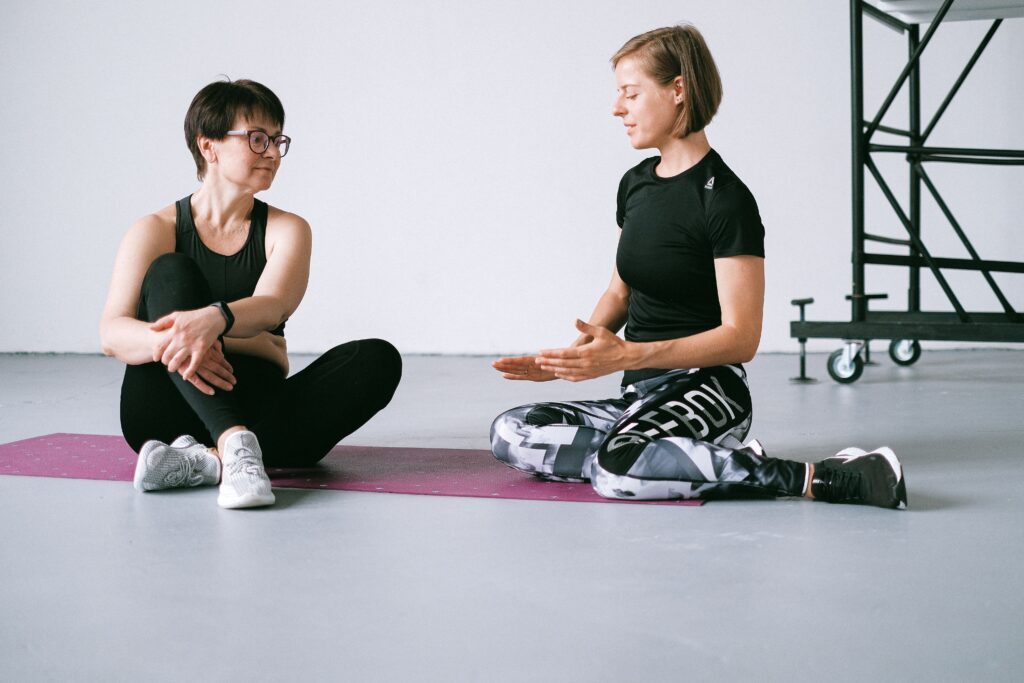
When it comes to physical fitness, we often focus on the exercises we do or the diets we follow. But have you ever considered how your daily behaviors shape your overall fitness levels? The truth is, our habits play a pivotal role in determining how fit and healthy we feel. From the choices we make each morning to how we unwind at night, every action adds up. In this post, we’ll dive deep into the fascinating relationship between behavior and physical fitness. Let’s explore which habits matter most and how they can transform not just our bodies but also our minds!
What Is the Role of Behavior in Physical Fitness?
Behavior is the cornerstone of physical fitness. It encompasses everything from daily routines to lifestyle choices. How we approach our health directly influences our fitness outcomes.
Positive behaviors, such as regular exercise and mindful eating, can significantly enhance our physical capabilities. They lay the groundwork for achieving specific fitness goals, whether that’s building strength or improving endurance.
On the flip side, negative behaviors can undermine our efforts. Skipping workouts or indulging in unhealthy food options leads to setbacks that can be hard to reverse.
Moreover, behavior isn’t just about physical actions; it includes mental attitudes too. A positive mindset fosters motivation and resilience while a negative outlook may hinder progress.
Understanding the role of behavior in physical fitness helps us make informed choices that promote well-being and overall health.
How Daily Habits Affect Physical Fitness
Daily habits play a crucial role in shaping our physical fitness. Every choice we make, from morning routines to evening wind-downs, contributes to our overall health.
Starting the day with hydration can boost metabolism and energy levels. Skipping breakfast, on the other hand, may lead to overeating later.
Consistency is key when it comes to movement. Incorporating short walks or stretching throughout your day helps maintain muscle flexibility and encourages blood flow.
Mindful eating also influences how we feel physically. Choosing whole foods over processed snacks fuels the body better and promotes stamina for workouts.
Even small changes, like taking the stairs instead of the elevator or standing while working, add up over time. These seemingly minor adjustments create a foundation for healthier living and improved fitness outcomes without requiring drastic lifestyle shifts.
The Importance of Regular Exercise
Regular exercise is a cornerstone of physical fitness. It’s not just about lifting weights or running marathons. Every form of movement counts, from brisk walking to cycling.
Engaging in regular activity enhances cardiovascular health, strengthens muscles, and boosts endurance. These improvements lead to better daily functioning and increased energy levels.
Moreover, exercise releases endorphins—natural mood lifters that combat stress and anxiety. This psychological benefit reinforces the habit of staying active.
Finding an enjoyable routine can transform your approach to fitness. Whether it’s dancing, swimming, or hiking with friends, making it fun increases adherence.
Consistency is key; even short sessions add up over time. The cumulative effect helps establish long-lasting habits that contribute significantly to overall wellness.
How Nutrition Influences Fitness Levels
Nutrition plays a pivotal role in determining physical fitness levels. The foods we consume provide the essential nutrients our bodies need to perform at their best.
A balanced diet rich in whole grains, lean proteins, fruits, and vegetables fuels energy for workouts and daily activities. Proper nutrition helps maintain muscle mass while aiding recovery post-exercise.
Hydration is another crucial factor. Water supports digestion, nutrient absorption, and temperature regulation during physical activity. Staying hydrated can enhance endurance and performance.
Moreover, specific nutrients like antioxidants found in colorful fruits help combat inflammation caused by intense workouts. Conversely, excessive intake of processed foods or sugars can lead to fatigue and sluggishness.
What you eat directly impacts your ability to train effectively and recover efficiently. Making informed dietary choices shapes not just your body but also your overall fitness journey.
The Role of Sleep and Rest
Sleep and rest are often overlooked in the quest for physical fitness. Yet, they play a crucial role in how our bodies perform and recover.
During sleep, the body undergoes essential repair processes. Muscle growth occurs, and hormones that regulate appetite and stress are balanced. Without adequate rest, these functions can be disrupted.
Poor sleep quality can lead to fatigue, affecting motivation to exercise. When energy levels dip, workouts become less effective or even skipped altogether.
Rest days also matter. They allow muscles time to recover from strenuous activities and help prevent injuries. Ignoring this aspect can hinder progress over time.
Prioritizing sleep isn’t just about quantity; quality counts too. Creating a serene bedtime routine can greatly enhance your overall physical fitness journey.
How Stress and Mental Health Affect Fitness
Stress can significantly impact your physical fitness. When you’re overwhelmed, your body releases cortisol, a hormone that can lead to weight gain and muscle loss over time.
Mental health plays an equally crucial role in maintaining fitness levels. Anxiety and depression often sap motivation. A person struggling with these issues might skip workouts or indulge in unhealthy eating habits.
Moreover, stress affects sleep quality. Poor rest leads to fatigue, which diminishes workout performance. You may find it harder to recover from exercise when mental strain takes its toll.
Finding healthy outlets for stress is essential. Engaging in activities like yoga or meditation can boost both mental well-being and physical strength. Prioritizing mental health creates a solid foundation for achieving fitness goals effectively.
Healthy Behaviors That Improve Physical Fitness
Incorporating healthy behaviors into your daily routine can significantly enhance physical fitness. One of the easiest ways to start is by staying active throughout the day. Simple actions like taking the stairs or walking during lunch breaks add up quickly.
Hydration is another essential aspect. Drinking enough water fuels your body and aids recovery after workouts. Aim for at least eight glasses a day, adjusting based on activity levels.
Mindful eating also plays a crucial role in fitness improvement. Focus on whole foods rich in nutrients, such as fruits, vegetables, lean proteins, and whole grains. These choices not only provide energy but support overall health.
Establishing a consistent sleep schedule cannot be overlooked either. Quality rest enables muscle recovery and mental clarity, both vital for maintaining an active lifestyle.
Social connections matter too. Engaging with friends or joining workout groups can boost motivation and make exercise more enjoyable.
Unhealthy Behaviors That Can Reduce Fitness Levels
Unhealthy behaviors can significantly hinder your physical fitness progress. One of the most common issues is a sedentary lifestyle. Sitting for extended periods, whether at work or during leisure activities, reduces muscle engagement and weakens overall stamina.
Poor dietary choices are also detrimental. Consuming excessive processed foods high in sugar and unhealthy fats can lead to weight gain and lower energy levels. This makes it harder to maintain an active lifestyle.
Inadequate hydration further compounds these effects. Not drinking enough water can result in fatigue and decreased performance during workouts.
Substance abuse, including smoking or excessive alcohol consumption, not only affects lung capacity but also impacts recovery times after exercise.
Neglecting mental health through constant stress or anxiety can undermine motivation. When mental challenges arise, maintaining consistent fitness habits often becomes increasingly difficult.
How to Build Better Fitness Habits
Building better fitness habits starts with setting clear, achievable goals. Break larger objectives into smaller milestones. This makes your journey manageable and keeps motivation high.
Consistency is key. Establish a routine that fits seamlessly into your daily life. Whether it’s morning jogs or evening yoga sessions, find what works for you.
Track your progress to stay accountable. Use apps or journals to monitor workouts and nutrition. Seeing improvements can boost confidence and encourage persistence.
Surround yourself with supportive individuals who share similar goals. Engaging in group activities fosters camaraderie while making fitness more enjoyable.
Be patient with yourself as change takes time. Celebrate small victories along the way; they build momentum toward larger successes without overwhelming pressure for instant results.
Frequently Asked Questions About Behavior and Physical Fitness
Many people have questions about how behavior impacts fitness. One common query is whether motivation can be cultivated. The answer lies in setting small, achievable goals that build confidence and encourage consistency.
Another frequent question revolves around the role of social influences. Friends and family can significantly affect fitness behaviors, serving as motivators or detractors depending on their attitudes toward exercise and healthy living.
Some also wonder if it’s possible to change long-standing habits. It takes time and patience but replacing unhealthy habits with positive ones gradually leads to sustained improvements in physical fitness.
People often ask about accountability measures too. Keeping a journal or partnering with a workout buddy can enhance commitment levels while providing support for long-term success.
Many are curious about the link between mental health and physical activity. Engaging in regular exercise not only boosts mood but also fosters resilience against stressors that could hinder progress toward fitness goals.
Conclusion
Understanding the role of behavior in physical fitness levels is essential for achieving long-term health and wellness. The habits we cultivate daily, from our exercise routines to our dietary choices, significantly impact how fit we can become. Regular exercise is not just about hitting the gym; it’s about creating a lifestyle that prioritizes movement.
Nutrition plays a pivotal role too. What you eat fuels your body and influences your ability to perform physically. Alongside this, quality sleep and adequate rest are crucial for recovery and overall performance. Mental health also cannot be overlooked—stress management techniques can lead to improved fitness outcomes.
Adopting healthy behaviors such as staying hydrated, engaging in regular physical activity, and managing stress effectively will pave the way toward better fitness levels. Conversely, unhealthy habits like poor diet choices or sedentary lifestyles can hinder progress significantly.
Building better fitness habits requires awareness of these factors and commitment over time. Small changes accumulate into significant improvements in your physical fitness journey.
The interplay between behavior and physical fitness is complex but manageable with intention and effort. By understanding how each element contributes to your overall well-being, you’re more equipped to make informed decisions that align with your goals for a healthier life.